White Label Mobile Apps in 2026: The Smartest Way to Launch, Scale & Dominate Faster
White Label Mobile Apps in 2026: The Smartest Way to Launch, Scale & Dominate Faster
Introduction
In 2026, businesses don’t win because they “build apps.”
They win because they launch faster, scale smarter, and adapt quicker than competitors.
That’s exactly why white label mobile apps have become one of the most powerful business models in the digital economy.
Instead of spending months (or years) building an app from scratch, companies now launch fully functional, branded applications using pre-built systems and customize them as their own.
This raises a key question:
Are white label mobile apps the smartest strategy in 2026—or just a shortcut with limitations?
Let’s break it down properly.
1. What Is a White Label Mobile App?
A white label mobile app is a pre-built application framework created by a software provider that can be rebranded and customized by another business.
Simple explanation:
- One company builds the app engine
- Another company adds branding, features, and sells it as their own
According to industry trends, this model is now widely used across delivery apps, booking systems, marketplaces, fintech apps, and community platforms.
2. Why White Label Apps Are Exploding in 2026
The mobile app economy is growing rapidly, and businesses are under pressure to launch faster and cheaper.
Here’s why white label solutions are dominating:
1. Speed to Market
Instead of 6–12 months development cycles, businesses can launch in weeks instead of months.
2. Lower Development Costs
Companies can save up to 70% of traditional app development costs by using white label systems.
3. Proven Infrastructure
Most white label apps are already tested at scale, reducing risk of bugs and system failures.
4. Demand from Small Businesses
SMBs now expect apps for bookings, payments, delivery, and customer engagement as standard.
3. The Real Power: Why Businesses Choose White Label Apps
White label apps are not just “cheap alternatives”—they are strategic tools.
Key advantages:
✔ Faster launch cycles
You skip development bottlenecks and go straight to market.
✔ Predictable pricing
Fixed packages replace unpredictable custom development costs.
✔ Easy scaling
Add new clients, locations, or features without rebuilding the system.
✔ Built-in maintenance
Updates, bug fixes, and compatibility are handled by the provider.
4. Where White Label Mobile Apps Are Used Most in 2026
This model is now dominating multiple industries:
🔹 Home Services Apps
Booking systems for cleaners, plumbers, electricians, etc.
(Instant booking + scheduling + payments)
🔹 Food & Grocery Delivery
Repeat orders, subscriptions, and fast checkout flows.
🔹 Taxi & Logistics Apps
Driver tracking, dispatch systems, and real-time updates.
🔹 Fitness & Coaching Apps
Membership systems, training plans, and video content delivery.
🔹 Marketplaces
Multi-vendor platforms with commissions and dashboards.
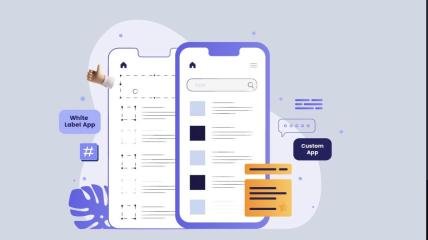
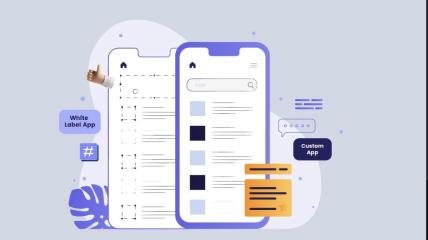
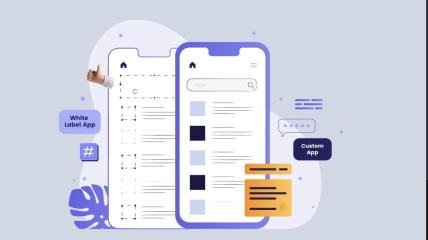
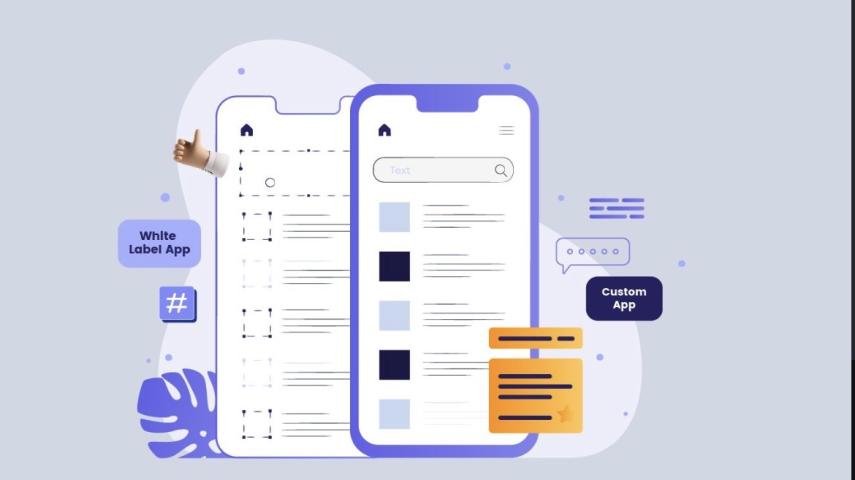
5. White Label vs Custom App Development
This is where most people get stuck.
Let’s compare them properly.
|
Factor |
White Label Mobile Apps |
Custom Mobile Apps |
|
Time to launch |
2–8 weeks |
3–12 months |
|
Cost |
Low–medium |
High |
|
Flexibility |
Medium |
Very high |
|
Risk |
Low |
Higher |
|
Maintenance |
Included |
Ongoing cost |
|
Scalability |
High (if platform is strong) |
High but expensive |
|
Speed advantage |
âââââ |
ââ |
When White Label Apps Are the Smart Choice
White label wins when:
- You want to launch fast
- You are testing a business idea
- You target small or medium businesses
- You want recurring income from reselling
- You don’t need deep custom engineering
In 2026, many agencies and startups are building full businesses around white label reselling models because it scales faster than custom development.
7. When Custom Apps Still Win
White label is powerful—but not perfect.
Custom apps are better when:
- You need unique, complex workflows
- You are building a disruptive tech product
- You need full ownership of architecture
- You require deep AI or proprietary systems
If your idea depends on “something nobody else has built,” custom wins.
8. The Hidden Truth Nobody Talks About
Here’s what most vendors don’t tell you:
White label apps are not “your product”
They are:
- Licensed systems
- Shared infrastructure
- Controlled platforms
That means:
- You depend on the provider
- You may have limited backend access
- You are not fully independent
But for most businesses, this trade-off is acceptable because speed matters more than ownership.
9. The Biggest Advantage in 2026: Speed Beats Perfection
The app market is now dominated by one rule:
“The fastest execution wins, not the best idea.”
White label apps align perfectly with this reality:
- Faster validation
- Faster revenue
- Faster scaling
Meanwhile, custom development often delays launch until competitors already dominate the market.
10. AI Is Making White Label Apps Even Stronger
In 2026, white label platforms are evolving with:
- AI personalization engines
- Automated customer support
- Smart recommendations
- Behavioral analytics
- No-code customization tools
This means white label apps are no longer “basic templates”—they are becoming intelligent systems.
11. The Business Model Behind White Label Apps
There are 3 main ways people make money with them:
1. Agency Model
Build apps for clients using white label systems.
2. SaaS Reseller Model
Sell apps monthly as subscriptions.
3. Niche Industry Domination
Focus on one sector (e.g. salons, gyms, restaurants) and dominate it.
Many businesses in 2026 are building full recurring revenue systems using this model.
12. Risks and Limitations
White label apps are powerful—but not risk-free.
Common limitations:
- Less deep customization
- Dependency on provider roadmap
- Potential feature restrictions
- Branding limitations in some platforms
If the provider fails, your product is affected.
13. Real-World Outcome: What Actually Happens
Businesses using white label apps typically experience:
- Faster client acquisition
- Lower startup risk
- Faster ROI
- Easier sales cycles
But they also face:
- Platform dependency
- Feature limitations over time
14. So… Which Is the Smarter Choice in 2026?
Let’s be direct:
White Label Mobile Apps are better if:
- You want speed
- You want to sell apps as a service
- You want to scale fast with low capital
Custom Apps are better if:
- You want innovation ownership
- You are building a core tech product
- You need full backend control
Final Verdict
🟢 White Label Apps = Fastest path to revenue and scale
🔵 Custom Apps = Long-term control and innovation
In 2026, most smart businesses are doing something simple:
Start with white label → validate → scale → then rebuild custom if needed
That hybrid approach is becoming the dominant strategy.
Conclusion
White label mobile apps are not just a trend—they are a business acceleration system.
They remove friction from:
- Development
- Cost
- Time-to-market