White Label Restaurant App in 2026: The Complete Guide to Launching, Scaling, and Dominating the Food Tech Market
Introduction: Why White Label Restaurant Apps Are Exploding in 2026
The restaurant industry has changed more in the last 5 years than in the previous 50. Customers no longer wait in line, call for reservations, or even browse physical menus. Everything is now:
- Tap to order
- Tap to reserve
- Tap to pay
- Tap to repeat order
And this is exactly where the white label restaurant app model has taken over.
Instead of building expensive apps from scratch, restaurant owners and agencies now use pre-built, customizable app systems that can be branded as their own.
This shift is not just a trend—it is a full transformation of the food service economy.
What Is a White Label Restaurant App?
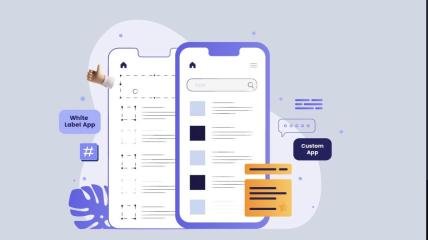
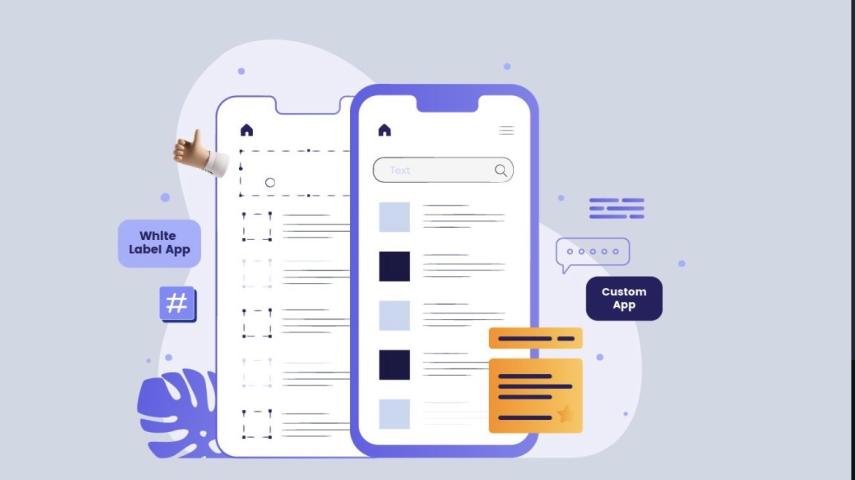
A white label restaurant app is a fully developed mobile application that can be rebranded and customized for different restaurants or food businesses.
Think of it like this:
- The software is already built
- You only change the branding (logo, colors, name)
- You can add or remove features
- You launch it as your own product
Example:
Instead of building:
“Joe’s Pizza App” from scratch
You take a white label system and launch:
“Joe’s Pizza – Order & Delivery App”
Same engine, different branding.
Why White Label Restaurant Apps Are Dominating in 2026
There are 5 major reasons this model is exploding:
1. Restaurants Want Faster Digital Transformation
Most restaurants do NOT want to wait 6–12 months for custom app development.
White label apps allow:
- Launch in days, not months
- Immediate online ordering system
- Faster revenue generation
2. Cost Reduction Is Massive
Custom app development can cost:
- $15,000 – $150,000+ (depending on complexity)
White label apps:
- $300 – $5,000 setup
- Monthly subscription models
This is a game changer for small and mid-sized restaurants.
3. No Technical Skills Needed
Restaurant owners don’t need:
- Developers
- UI/UX designers
- Backend engineers
Everything is pre-built and plug-and-play.
4. Agencies Are Reselling Them
Digital agencies now use white label restaurant apps to:
- Sell under their own brand
- Offer SaaS subscriptions
- Add recurring income streams
5. Delivery Economy Is Still Growing
Food delivery is no longer optional—it is expected.
Customers want:
- Real-time ordering
- Live tracking
- Easy payment integration
White label apps provide all of this instantly.
Core Features of a White Label Restaurant App
To rank and compete in 2026, a good system must include:
1. Online Ordering System
Customers can:
- Browse menu
- Customize meals
- Place orders instantly
2. Delivery Tracking (Live GPS)
Real-time tracking improves:
- Customer satisfaction
- Trust
- Repeat orders
3. Payment Integration
Supports:
- Card payments
- Mobile money
- Wallet systems
- Cash on delivery
4. Table Reservation System
For dine-in restaurants:
- Book tables in advance
- Choose seating preferences
- Reduce waiting time
5. Push Notifications
Restaurants can send:
- Discounts
- Promotions
- Order updates
6. Admin Dashboard
Restaurant owners can:
- Manage orders
- Update menu
- Track revenue
- Monitor customers
7. Multi-Branch Support
Ideal for chains:
- One dashboard
- Multiple locations
- Centralized control
Types of White Label Restaurant Apps
There are different categories depending on business model:
1. Single Restaurant App
Used by one restaurant only.
Best for:
- Local restaurants
- Fast food shops
- Cafes
2. Multi-Restaurant Marketplace App
Like Uber Eats or DoorDash clone.
Best for:
- Food delivery startups
- Aggregator platforms
3. Franchise System App
Used by restaurant chains.
Features:
- Branch management
- Central branding
- Unified reporting
4. Agency SaaS Model
Agencies resell apps to restaurants.
This is currently the most profitable model in 2026.
How White Label Restaurant Apps Make Money
There are multiple revenue streams:
1. Setup Fees
Charge restaurants:
- $100 – $1,000 setup
2. Monthly Subscription
- $20 – $300/month per restaurant
3. Commission on Orders
- 5% – 25% per transaction
4. Delivery Fees
- Fixed delivery charges per order
5. Ads & Promotions
Restaurants can pay for:
- Featured listing
- Banner ads
- Push promotions
White Label vs Custom Restaurant App
|
Feature |
White Label |
Custom App |
|
Cost |
Low |
High |
|
Speed |
Fast |
Slow |
|
Flexibility |
Medium |
High |
|
Maintenance |
Included |
Expensive |
|
Scalability |
High |
Depends |
Who Should Use a White Label Restaurant App?
1. Restaurant Owners
- Increase online orders
- Reduce dependency on delivery apps
2. Startups
- Launch food delivery platforms quickly
3. Agencies
- Sell apps as services
- Build SaaS income
4. Developers
- Customize and resell solutions
SEO Strategy: How This Keyword Ranks
To rank for “white label restaurant app”, you must target:
Primary Keywords:
- white label restaurant app
- restaurant app builder
- food delivery app white label
- restaurant ordering system app
Long-tail Keywords:
- white label restaurant app for small business
- how to start food delivery app without coding
- best restaurant app software in 2026
- affordable restaurant ordering system
Content Strategy to Rank on Google
To dominate this niche, your website should include:
1. Pillar Pages (like this one)
- 5,000 – 10,000 words
- Deep explanations
2. Supporting Blogs
Examples:
- “How to Launch a Restaurant App in 7 Days”
- “Top 10 White Label Food Delivery Apps in 2026”
- “Restaurant App vs Uber Eats: What’s Better?”
3. Internal Linking
Link everything back to:
- White label restaurant app page
- Demo page
- Pricing page
4. Case Studies
Google loves:
- Real results
- Revenue breakdowns
- User growth stories
Common Mistakes People Make
1. Choosing Cheap, Unstable Platforms
This leads to:
- App crashes
- Lost orders
- Poor reviews
2. Ignoring UX Design
Bad UI = fewer orders.
3. Not Marketing the App
Even the best app fails without:
- SEO
- Social media
- Local ads
Future of White Label Restaurant Apps (2026–2030)
The future includes:
AI-Powered Ordering
- Smart recommendations
- Predictive ordering
Voice Ordering
Customers order via:
- Siri
- Alexa
- Google Assistant
Drone Delivery Integration
Some systems already testing:
- Automated delivery tracking
- AI dispatch systems
Hyper-Personalization
Apps will know:
- Favorite meals
- Order times
- Spending habits
Final Thoughts
The white label restaurant app industry is one of the fastest-growing SaaS opportunities in 2026.
It solves a real problem:
- Restaurants want digital systems
- Customers want convenience
- Agencies want recurring revenue
If executed properly, this niche can easily become:
- A SaaS business
- A digital agency service
- Or a full food-tech startup