White Label Mobile App Development in 2026: The Fastest Way to Launch Your Own Branded App
White Label Mobile App Development in 2026: The Fastest Way to Launch Your Own Branded App
In 2026, speed is everything. Businesses no longer want to spend six to twelve months building a mobile app from scratch when they can launch a fully branded application in a matter of weeks. This shift has made white label mobile app development one of the fastest-growing trends in the software industry.
Whether you are a startup founder, digital agency, SaaS entrepreneur, or established business, white label mobile apps provide a cost-effective way to launch on both Apple iOS and Google Android under your own brand.
If you want to enter the mobile app market quickly, reduce development costs, and generate recurring revenue, white label apps are becoming the preferred strategy for 2026 and beyond.
The mobile app economy is projected to approach nearly $1 trillion in annual revenue, while many businesses are using white-label platforms to cut launch time from months to just a few weeks and significantly reduce development costs.
What Is a White Label Mobile App?
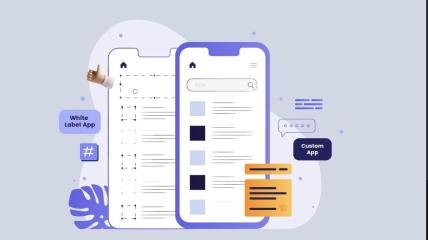
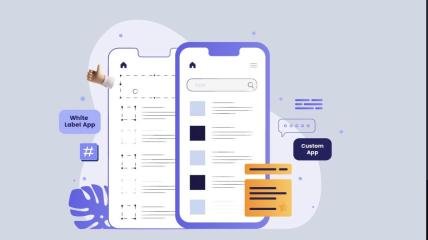
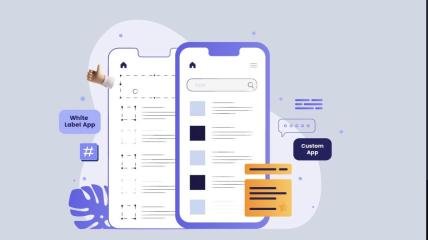
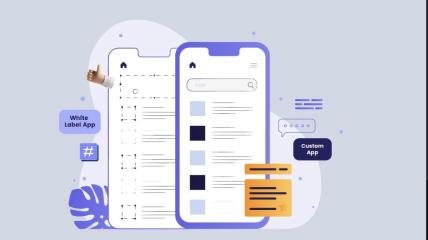
A white label mobile app is a pre-built application developed by a software company that can be rebranded and customized for different businesses.
Instead of starting from scratch, you receive a ready-made app with core features already developed, tested, and optimized. You simply add your:
- Logo
- Brand colors
- Domain name
- Custom features
- Business model
- Payment integrations
The final product appears as if it were built exclusively for your company.
For example, a food delivery app, marketplace, or booking platform can be customized and published under your own brand name without investing hundreds of thousands of dollars in development.
Why White Label Mobile Apps Are Trending in 2026
The demand for white label solutions has surged because businesses want faster and more affordable ways to launch digital products.
1. Faster Time to Market
Traditional app development can take 3 to 12 months. White label solutions can often be deployed in 2 to 8 weeks.
2. Lower Development Costs
Custom apps can cost $30,000 to $300,000 or more. White label apps dramatically reduce upfront investment.
3. Proven Technology
Core features are already tested, reducing bugs and technical risks.
4. Recurring Revenue Opportunities
Agencies and entrepreneurs can resell white label apps and generate monthly income.
5. Scalability
Modern white label platforms support thousands of users, multiple languages, and global payment systems.
6. AI Integration
Many new white label apps include AI chatbots, automation, and personalization features.
Industries Using White Label Mobile Apps
White label mobile apps are transforming nearly every industry.
eCommerce
Launch branded online shopping apps.
Food Delivery
Build platforms similar to Uber Eats or DoorDash.
Taxi Booking
Create ride-hailing apps similar to Uber.
Healthcare
Offer telemedicine and appointment booking solutions.
Fintech
Deploy digital banking and payment apps.
Education
Launch e-learning and coaching platforms.
Real Estate
Provide property listing and agent apps.
Community and Membership Platforms
Build apps for churches, clubs, and organizations.
White Label vs Custom App Development

|
Feature |
White Label App |
Custom Development |
|
Development Time |
2–8 weeks |
3–12 months |
|
Initial Cost |
Low to Moderate |
High |
|
Risk Level |
Lower |
Higher |
|
Customization |
Moderate to Extensive |
Unlimited |
|
Maintenance |
Often Included |
Fully Managed by Owner |
|
Speed to Revenue |
Very Fast |
Slower |
Key Features of a Modern White Label App
A competitive white label mobile app in 2026 should include:
- User authentication
- Push notifications
- Payment gateways
- Admin dashboard
- Analytics and reporting
- Subscription billing
- Multi-language support
- Cloud hosting
- API integrations
- AI automation
- Advanced security and privacy controls
Benefits for Agencies and Entrepreneurs
If you run a development agency, white label apps can become a powerful recurring revenue model.
You can:
- Sell apps under your own brand
- Charge setup fees
- Offer monthly maintenance plans
- Upsell custom features
- Scale without hiring a large development team
Many agencies use white-label solutions to improve margins and expand service offerings.
How to Choose the Right White Label App Partner
When selecting a development company, consider:
- Full source code ownership
- Customization flexibility
- Ongoing technical support
- Scalable architecture
- Security best practices
- App Store publishing assistance
- Transparent pricing
- Experience across industries
Future Trends in White Label Mobile Apps
The next generation of white label apps will include:
- AI-native experiences
- Voice assistants
- Predictive analytics
- Super-app ecosystems
- Offline-first architecture
- Enhanced privacy features
- Cross-platform frameworks such as Flutter
Why Businesses Choose
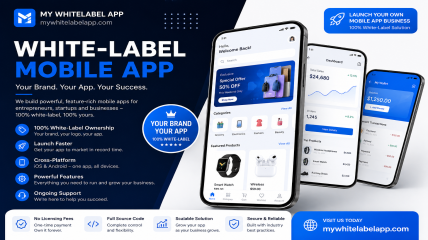
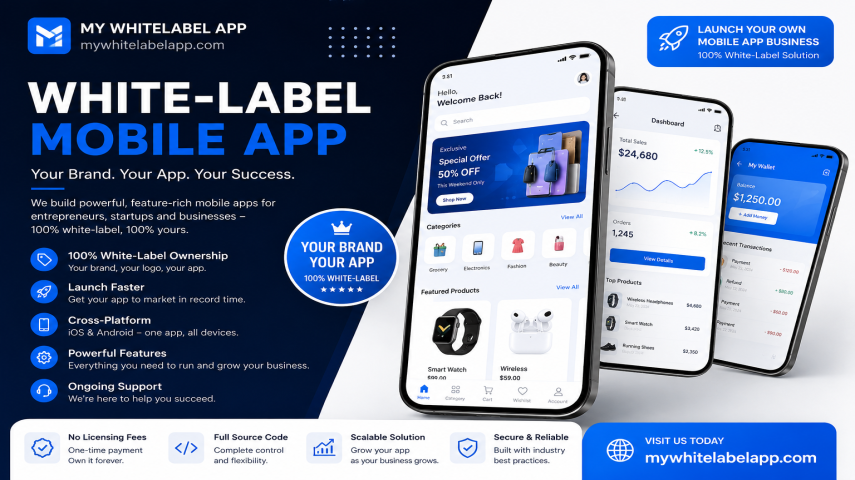
At My White Label App, businesses can launch fully branded mobile applications tailored to their specific goals.
Whether you need an eCommerce app, marketplace, booking system, delivery platform, or SaaS application, the platform helps you:
- Launch faster
- Save development costs
- Own your brand
- Scale globally
- Generate recurring revenue
Final Thoughts
White label mobile app development is one of the most effective ways to launch a digital product in 2026. It offers the perfect balance of speed, affordability, and scalability.
Instead of spending months building from scratch, businesses can deploy production-ready applications in weeks and focus on growth, customer acquisition, and revenue.