White Label Mobile Apps Explained: Complete Beginner’s Guide (2026)
1. What is a White Label Mobile App?
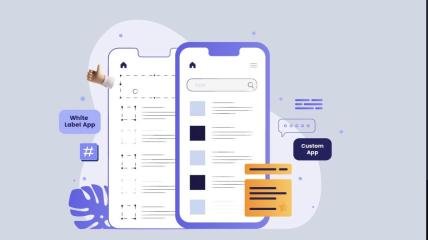
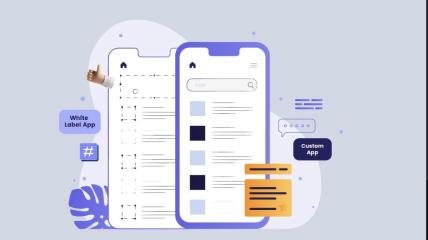
A white label mobile app is a pre-built mobile application created by a software provider that can be rebranded and resold by other businesses as their own product.
In simple terms:
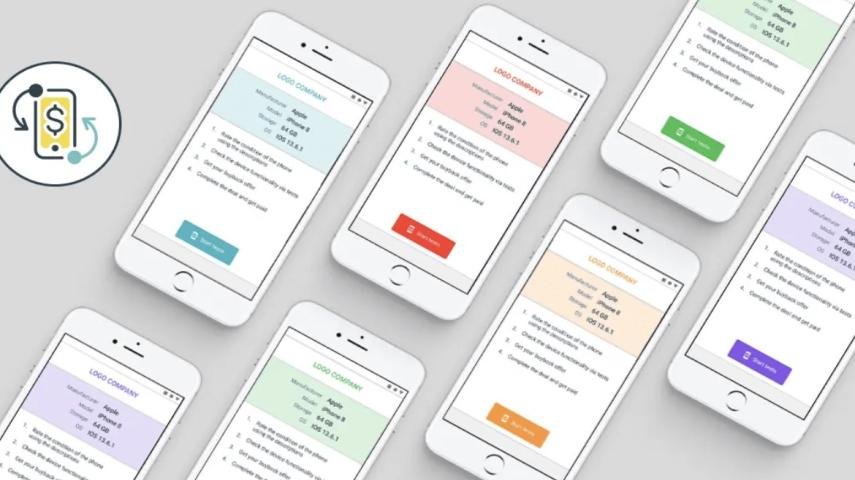
Someone builds the app → you put your brand on it → you sell it like you built it.
The end user has no idea the app was created by another company.
Example (Simple Breakdown)
A company builds a restaurant app that includes:
- Online ordering
- Menu system
- Push notifications
You:
- Add your logo
- Change colors
- Rename the app
- Sell it to restaurants under your brand
Why This Model Exists
White label apps exist because:
- Not every business can afford custom development
- Agencies want ready-made solutions to sell
- Businesses want faster digital transformation
2. How White Label Mobile Apps Work
The system works in 4 steps:
Step 1: Provider Builds the Core App
A software company builds a fully functional app:
- Backend system
- Core features
- Admin dashboard
Step 2: You Buy or License It
You become a reseller or agency partner.
You get:
- Access to platform
- White label rights
- Customization tools
Step 3: You Rebrand It
You customize:
- Logo
- App name
- Colors
- Business identity
Step 4: You Sell It to Clients
You sell it as:
- Your own mobile app solution
- Monthly subscription service
- Setup + maintenance package
The Business Flow
Provider → You (Agency) → Client → End Users
3. Why White Label Apps Are Growing in 2026
This industry is exploding because of 5 major trends:
1. Businesses Want Faster Digital Solutions
Nobody wants 6-month development cycles anymore.
They want:
- Ready apps
- Fast launch
- Low cost
2. Mobile Usage is Still Increasing
More than 70% of digital engagement now happens on mobile.
3. Agencies Want Recurring Revenue
White label apps allow:
- Monthly income
- Subscription models
- Retainer clients
4. AI is Making App Deployment Easier
AI now helps:
- Generate content
- Automate workflows
- Personalize apps
5. Small Businesses Are Going Digital
Restaurants, gyms, salons—all need apps.
4. White Label vs Custom Apps vs SaaS
White Label Apps
- Pre-built
- Rebrandable
- Fast launch
- Low cost
Custom Apps
- Built from scratch
- Expensive
- Fully flexible
- Long development time
SaaS Platforms
- Multi-user software
- Subscription-based
- Not always rebrandable
Comparison Table
Type
Cost
Speed
Control
Scalability
White Label
Low
Fast
Medium
High
Custom
High
Slow
Full
High
SaaS
Medium
Medium
Low
Very High
5. How Businesses Use White Label Apps
Different industries use them differently:
Restaurants
- Online ordering
- Loyalty programs
- Push notifications
Fitness Businesses
- Booking classes
- Membership tracking
- Workout plans
Real Estate
- Property listings
- Lead capture
- Client communication
E-commerce
- Product catalogs
- Mobile shopping
- Checkout system
6. White Label App Business Model Explained
This is where money is made.
Step 1: Buy or access white label system
Step 2: Set your pricing
Example:
- Setup fee: $100–$500
- Monthly: $30–$100
Step 3: Sell to businesses
You act as:
- App provider
- Digital agency
Step 4: Earn recurring income
Clients keep paying monthly.
Example Income
10 clients × $50/month = $500/month
50 clients × $50/month = $2,500/month7. Key Features Every White Label App Must Have
To sell successfully, your app must include:
1. Push Notifications
Direct marketing to users.
2. Admin Dashboard
For business control.
3. Payment Integration
Allows transactions inside app.
4. Booking System
For service-based businesses.
5. Loyalty Program
To increase customer retention.
6. Analytics
To track performance.
8. Real Examples of White Label Apps
Example 1: Restaurant App
- Menu
- Orders
- Delivery tracking
Example 2: Gym App
- Membership
- Class booking
- Notifications
Example 3: Salon App
- Appointment booking
- Promotions
- Customer reminders
9. Advantages of White Label Mobile Apps
1. Fast to launch
You can start in days.
2. Low startup cost
No need for developers.
3. Easy to scale
Sell same product repeatedly.
4. Recurring revenue
Monthly income model.
5. No technical skills needed
10. Disadvantages You Must Know
1. Limited customization
You can’t change everything.
2. Dependency on provider
You rely on their system.
3. Not fully unique
Other agencies may sell similar apps.
4. Scaling limits
Some platforms have restrictions.
11. Who Should Use White Label Apps?
This model is perfect for:
- Agencies
- Freelancers
- Digital marketers
- Developers without SaaS products
- Entrepreneurs starting tech businesses
12. How to Start (Overview)
Step-by-step summary:
- Choose niche
- Find white label provider
- Build demo app
- Create pricing
- Start selling
- Scale with clients