How to Start a White Label App Business With No Coding (2026 Guide)
How to Start a White Label App Business With No Coding (2026 Guide)
Starting a white label app business in 2026 is one of the fastest ways to build a recurring income digital business without needing to code. The real advantage is simple: you focus on selling and scaling, while the technology is already built for you.
This guide breaks the process down into a practical, step-by-step system you can actually follow.
What is a White Label App Business?
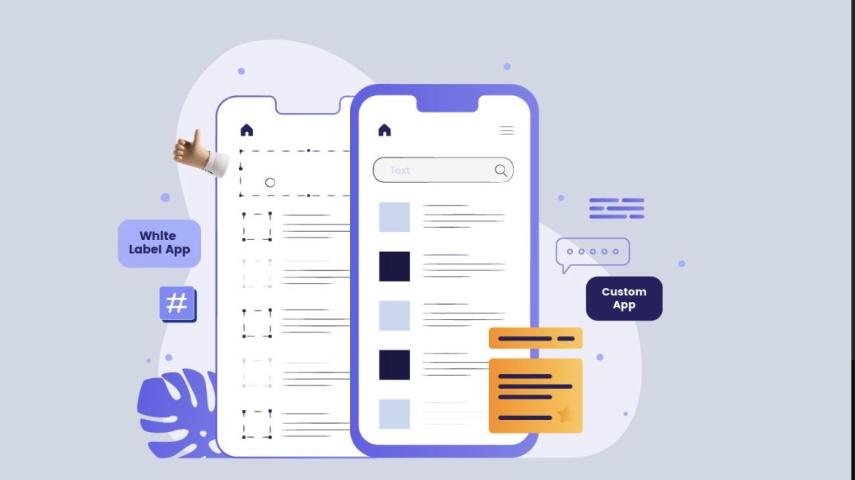
A white label app business is a model where you:
- Use a pre-built mobile app platform
- Rebrand it as your own
- Sell it to clients under your business name
- Charge setup + monthly fees
You are not the developer—you are the reseller, agency owner, or platform operator.
Why This Business Works in 2026
This model is growing fast because:
- Small businesses want mobile apps but can’t build them
- Agencies want recurring income, not one-time projects
- No-code and white label platforms are cheaper and faster
- Businesses are shifting to mobile-first operations
In simple terms:
Every business wants an app, but few want to build one.
That gap is your opportunity.
Step 1: Choose a Profitable Niche (Very Important)
Do not start by selling “apps for everyone.” That kills your conversion rate.
You need a focused niche.
Best niches in 2026:
- Restaurants & food delivery
- Gyms & fitness trainers
- Real estate agents
- Salons & spas
- Churches & communities
- E-commerce stores
Why niche matters
When you specialize:
- Your marketing becomes easier
- Your demo becomes more convincing
- Clients trust you faster
- You close deals quicker
Step 2: Pick a White Label App Provider
This is your foundation.
A white label provider gives you:
- Ready-made mobile apps
- Admin dashboard
- Hosting and backend
- Custom branding tools
What to look for in a provider:
- Android + iOS support
- Easy branding (logo, colors, name)
- Push notifications feature
- Payment integration
- App store publishing support
- Good customer support
Avoid:
- Poor documentation
- No scalability
- Limited customization
- No updates or support
Step 3: Define Your Offer (This is Where Money Is Made)
Most beginners fail because they sell “an app.”
Instead, you must sell a business solution.
Weak offer:
“We build mobile apps for businesses”
Strong offer:
“We help restaurants increase repeat customers and sales using their own branded mobile app”
Example Packages:
Starter Package
- Basic app setup
- Branding
- Push notifications
- $100 setup + $30/month
Growth Package
- Loyalty system
- Analytics
- Advanced features
- $250 setup + $60/month
Premium Package
- Full customization
- Marketing automation
- Priority support
- $500 setup + $100/month
Step 4: Build a Demo App (This is Your Sales Weapon)
You cannot sell without showing proof.
What your demo should include:
- Business branding example (fake restaurant, gym, etc.)
- Menu or service list
- Booking or ordering system
- Push notification sample
- Loyalty or discount feature
Why it works:
People don’t buy ideas—they buy what they can see.
Step 5: Build Your Brand (Even Without Coding)
You are not just reselling—you are building a business identity.
You need:
- Business name
- Logo
- Simple website
- Professional email (e.g. info@yourbrand.com)
Your website should include:
- Demo screenshots
- Pricing packages
- Contact/WhatsApp button
- “Book a demo” CTA
Step 6: Start Getting Clients (The Real Game)
Now you shift to sales.
Best ways to get clients:
1. Direct outreach
- Instagram business pages
- WhatsApp messaging
- Email local businesses
2. Physical businesses
Walk in and say:
“I help businesses like yours get more repeat customers using a mobile app. Can I show you a demo?”
3. Freelance platforms
- Fiverr
- Upwork
- Bark
4. Social media content
Post:
- Demo videos
- Before/after results
- Business transformation stories
Step 7: Close Deals (Simple Formula)
You don’t need complicated sales techniques.
Simple closing flow:
- Show demo
- Explain benefit
- Give pricing
- Ask for decision
Example closing line:
“We can launch your app in 5 days for $150 setup and $40 monthly. Should we get started?”
Step 8: Deliver Fast (Speed = Trust)
Once they pay:
- Set up their branding
- Customize the app
- Send preview
- Launch quickly
Why speed matters:
Fast delivery = higher trust = more referrals
Step 9: Set Up Recurring Income System
This is the real wealth-building part.
Revenue model:
- Setup fee (one-time)
- Monthly subscription (recurring)
Example:
- 20 clients × $50/month = $1,000/month
- 50 clients × $50/month = $2,500/month
Step 10: Scale the Business
Once you get results:
Scale methods:
- Hire salespeople
- Create reseller program
- Run paid ads
- Target new niches
- Automate onboarding
Common Mistakes to Avoid
1. Trying to target everyone
→ Always pick a niche
2. Weak sales pitch
→ Sell outcomes, not features
3. No demo app
→ You will struggle to close deals
4. Overcomplicating the system
→ Keep it simple and repeatable
Realistic Income Timeline
Month 1–2:
- 1–5 clients
- $100–$500 income
Month 3–6:
- 10–30 clients
- $1,000–$3,000/month
Month 6–12:
- 50+ clients
- $5,000+/month recurring
Why This Business Model Works
Because you are combining:
- High demand (every business wants apps)
- Low entry barrier (no coding needed)
- Recurring revenue (monthly payments)
- Scalable system (same product sold repeatedly)
Final Thoughts
Starting a white label app business in 2026 is not about technology.
It is about:
- Choosing the right niche
- Having a strong offer
- Selling consistently
- Building recurring income
If done correctly, this becomes a long-term digital business asset, not just a side hustle.