White Label vs Custom Mobile App Development (2026 Comparison Guide)
Introduction
In 2026, mobile apps are no longer optional—they are essential tools for business growth, customer engagement, and brand positioning. Whether you’re running a startup, agency, or enterprise, one major decision stands in your way:
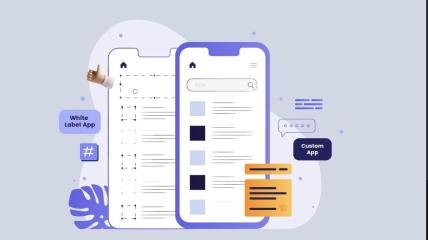
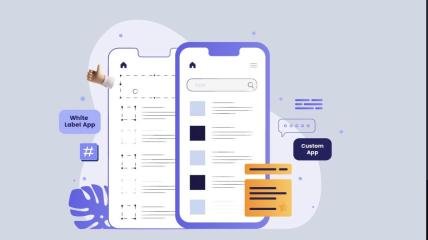
Should you choose a white label mobile app or invest in custom mobile app development?
This decision affects everything—your budget, time-to-market, scalability, branding, and long-term profitability.
This comprehensive guide breaks down the key differences, advantages, disadvantages, costs, use cases, and future trends of both approaches so you can make the best decision for your business.
What is White Label Mobile App Development?
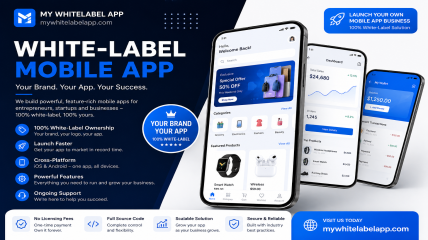
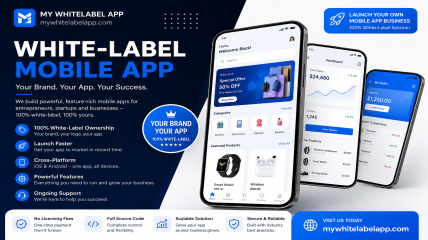
White label mobile apps are pre-built applications developed by a third-party provider that you can rebrand and resell as your own.
Instead of building from scratch, you simply:
- Add your logo and branding
- Customize colors and features (limited)
- Launch quickly
Key Characteristics
- Pre-built framework
- Fast deployment
- Lower cost
- Limited customization
- Subscription or one-time licensing
Example Use Cases
- Agencies offering apps to clients
- Small businesses needing quick solutions
- Entrepreneurs launching MVPs
What is Custom Mobile App Development?
Custom mobile app development involves building an app from scratch, tailored specifically to your business needs.
This approach gives you full control over:
- Design
- Features
- User experience
- Scalability
Key Characteristics
- Fully customizable
- Higher cost
- Longer development time
- Unique product
- Full ownership
Example Use Cases
- Fintech platforms
- Complex SaaS products
- Enterprise-level applications
White Label vs Custom Mobile Apps: Quick Comparison
|
Feature |
White Label Apps |
Custom Apps |
|
Development Time |
Fast (days/weeks) |
Slow (months) |
|
Cost |
Low |
High |
|
Customization |
Limited |
Unlimited |
|
Ownership |
Partial |
Full |
|
Scalability |
Moderate |
High |
|
Uniqueness |
Low |
High |
|
Maintenance |
Provider handles |
You handle |
Cost Comparison in 2026
White Label App Cost
White label solutions are significantly cheaper.
Typical pricing:
- Setup: $50 – $500
- Monthly: $20 – $200
- Enterprise packages: $500+
Why it’s cheaper:
- Shared infrastructure
- No development from scratch
- Mass distribution
Custom App Cost
Custom development is a serious investment.
Typical pricing:
- Basic app: $5,000 – $20,000
- Medium complexity: $20,000 – $80,000
- Advanced apps: $100,000+
Why it’s expensive:
- Design + development team
- Testing and iterations
- Backend infrastructure
- Ongoing maintenance
Development Speed: Time to Market
White Label Advantage
You can launch in days or weeks.
This is crucial if:
- You want to test a business idea
- You need to beat competitors
- You’re offering services to clients
Custom App Timeline
Custom apps take:
- 2–6 months (basic)
- 6–12 months (complex)
This includes:
- Planning
- UI/UX design
- Development
- Testing
- Deployment
Customization and Flexibility
White Label Limitations
You can only customize:
- Branding (logo, colors)
- Basic layouts
- Predefined features
You cannot:
- Add complex features
- Change core functionality
- Fully redesign UX
Custom App Freedom
With custom apps, you can:
- Build unique features
- Integrate AI, blockchain, APIs
- Design fully personalized UX
This is ideal for:
- Innovative startups
- Complex workflows
- Unique product ideas
Scalability and Performance
White Label Scalability
White label apps can scale—but with limits:
- Shared servers
- Restricted backend control
- Performance depends on provider
Custom App Scalability
Custom apps allow:
- Dedicated infrastructure
- Cloud scaling (AWS, Azure)
- Performance optimization
This makes them perfect for:
- Large user bases
- High-performance apps
- Global platforms
Branding and Business Identity
White Label Branding
White label apps allow you to:
- Rebrand the app as your own
- Sell to clients under your name
However:
- Core structure remains similar to others
- Limited uniqueness
Custom Branding
Custom apps give you:
- Unique identity
- Competitive differentiation
- Strong brand positioning
Revenue Opportunities
White Label Business Model
Perfect for:
- Agencies
- Resellers
- SaaS startups
You can:
- Sell apps to clients
- Charge monthly subscriptions
- Scale quickly
Custom App Monetization
Custom apps offer:
- In-app purchases
- Subscriptions
- Ads
- Enterprise licensing
Maintenance and Updates
White Label Maintenance
Handled by provider:
- Updates
- Security
- Bug fixes
This reduces workload significantly.
Custom App Maintenance
You are responsible for:
- Updates
- Server management
- Security patches
This adds ongoing costs.
Security Considerations
White Label Security
- Managed by provider
- Standardized protection
- Less control
Custom App Security
- Full control over data
- Custom security protocols
- Better for sensitive industries
When Should You Choose White Label Apps?
White label is the right choice if:
- You have a low budget
- You need fast deployment
- You run an agency or service business
- You want to test an idea quickly
When Should You Choose Custom Development?
Custom apps are better if:
- You want a unique product
- You need advanced features
- You plan to scale massively
- You want full control
Hybrid Approach (2026 Trend)
A growing trend in 2026 is combining both:
Start with white label → scale with custom
This allows you to:
- Validate your idea quickly
- Generate revenue
- Reinvest into a custom solution later
Pros and Cons Summary
White Label Pros
- Low cost
- Fast launch
- Easy maintenance
- Scalable for agencies
White Label Cons
- Limited customization
- Less uniqueness
- Dependency on provider
Custom App Pros
- Full control
- Unlimited customization
- High scalability
- Strong branding
Custom App Cons
- Expensive
- Time-consuming
- Requires technical expertise
Future Trends in 2026
1. AI Integration
Both white label and custom apps are now integrating:
- Chatbots
- Personalization
- Automation
2. No-Code and Low-Code Growth
White label platforms are evolving into:
- Drag-and-drop builders
- Faster deployment tools
3. Cross-Platform Development
Frameworks like Flutter and React Native are dominating:
- Faster builds
- Lower costs
- Better performance
4. Subscription-Based Ecosystems
More businesses are:
- Offering apps as services
- Building recurring revenue models
Final Verdict: Which One is Better?
There’s no universal answer.
Choose white label if you want speed and affordability.
Choose custom if you want control and scalability.
Simple Rule:
- Startup or agency → White Label
- Tech-driven product → Custom Development
Conclusion
In 2026, both white label and custom mobile app development have their place in the digital ecosystem.
The smartest businesses don’t just pick one—they use both strategically.
Start lean. Validate fast. Scale smart.